Hunted for HIV/AIDS cure: the dangerous myth exposing Malawi’s people with albinism to sexual exploitation.
Women with albinism in Malawi say they are being targeted for sex by men who believe the encounter will cure HIV, a superstition activists warn is fuelling exploitation and violence. BY PATRICIA KABANGO and HENRY MHANGO Mercy had only seconds to decide…
 By admin7 August 2026 · 8 min read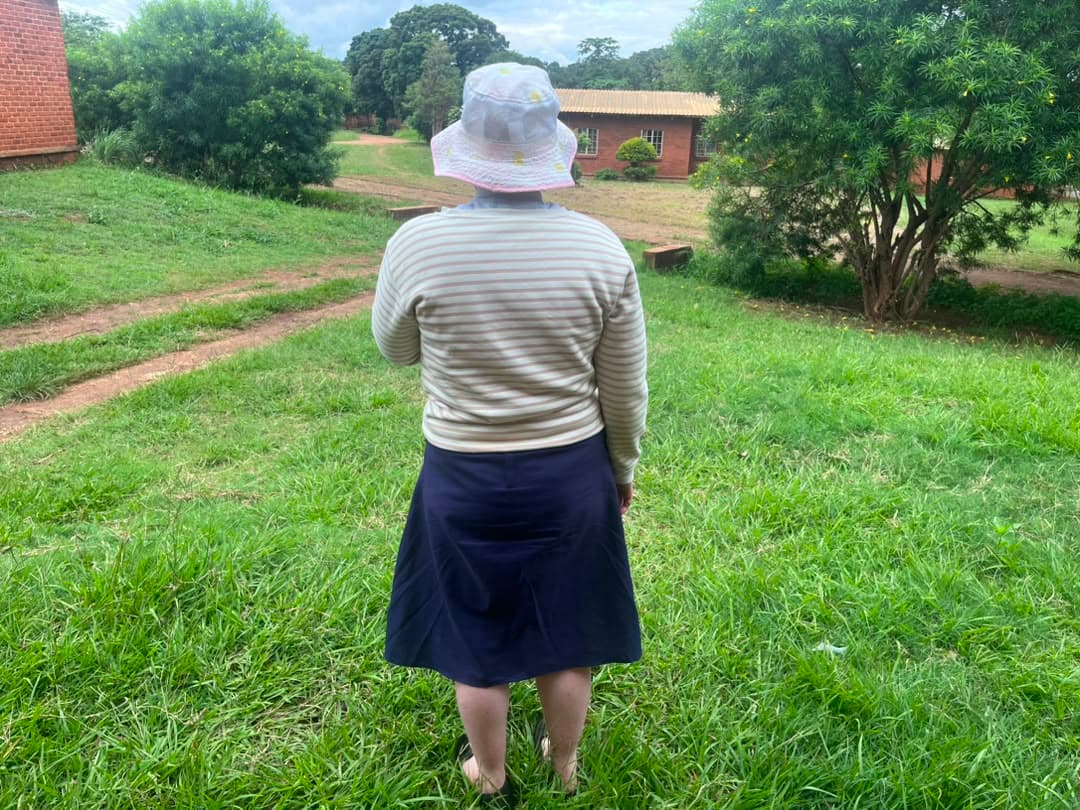
Women with albinism in Malawi say they are being targeted for sex by men who believe the encounter will cure HIV, a superstition activists warn is fuelling exploitation and violence.
BY PATRICIA KABANGO and HENRY MHANGO
Mercy had only seconds to decide whether she would live or submit.
The 28-year-old medical doctor from southern Malawi says she had been promised life-saving cancer treatment by a former cabinet minister she trusted.
Instead, she says, the offer came with a condition: sex.
“I know I am slowly dying,” Mercy said from her hospital bed. “But I could not accept abusing my body through ritual sex in exchange for medical treatment,” she told the Citizen Eye.
Mercy, whose name and identifying details have been changed to protect her safety, lives with albinism.
This rare inherited genetic condition leaves people with little or no melanin in their skin, hair, and eyes.
In a country of intense sunlight and limited specialist care, the condition leaves many highly vulnerable to skin cancer.
According to national census data and United Nations estimates, Malawi has one of the highest rates of albinism in the world, around one in 130 people, far higher than the global average of roughly one in 17,000.
But activists say people with albinism in the region face another danger, one driven not by genetics or climate, but by myth.
Across parts of southern and eastern Africa, a persistent belief holds that unprotected sex with a person with albinism can cure HIV/AIDS.
Human rights groups warn that the superstition is quietly exposing women and girls with albinism to sexual exploitation, rape, and trafficking.
Mercy says she encountered that belief when the former minister contacted her recently, offering to arrange treatment in the capital, Lilongwe.
“I was over the moon,” she told The Citizen Eye. “I thought God had sent an angel, someone in government who could save my life.” Instead, she says, it was the beginning of a nightmare.
The man arranged her travel and drove her nearly 170 miles from her home in Zomba to Lilongwe. But when they arrived, Mercy realised something was wrong.
She says she was taken to Daeyang Luke Hospital, a facility that does not offer cancer treatment.
When she questioned him, she says the truth emerged.
“He told me he wanted to have sex with me,” she said. “He offered me MK12 million so I could travel abroad for treatment afterwards.”
Mercy says the proposal was rooted in the belief that sleeping with a person with albinism can cure HIV.
“I wished I could just die and be done with the pain,” she said.
Mercy’s story reveals a disturbing reality: across parts of Malawi, women with albinism say they are being hunted for sex by men convinced the encounter will cure HIV.
The former minister did not respond to requests for comment from the Citizen Eye.
Interviews conducted with survivors, activists, health officials, and researchers in Malawi suggest that the myth remains widespread despite years of public health campaigns.
Because of stigma and fear of retaliation, many cases go unreported and rarely reach police investigations.
Under the Malawi Penal Code and the Trafficking in Persons Act, coercing or deceiving someone into sex in exchange for financial benefit can constitute a criminal offence.
Across parts of eastern and southern Africa, including Tanzania, Mozambique, Zambia, and Zimbabwe, people with albinism have long faced violence linked to superstition.
Human rights groups say the same beliefs that have driven killings for body parts are now fuelling sexual exploitation tied to HIV myths.
In Tanzania, dozens of people with albinism were killed between 2006 and 2015 in attacks linked to ritual beliefs that their body parts could bring wealth or supernatural power.
Researchers say similar myths also fuel sexual violence.
In an article titled “A Dangerous Superstition”, Gudrun A. Rappold, a geneticist at Heidelberg University Medical School, warned that the belief that intercourse with a woman with albinism can cure infertility or HIV/AIDS places them at heightened risk of sexual assault and infection.
Advocacy groups say perpetrators often rely on deception, trafficking, and abuse of trust to access victims.
“Some men go as far as marrying women with albinism, having children with them, and then disappearing once they believe they have been ‘cured’,” said Kuda Machiha, programmes officer at the Albino Association of Zimbabwe.
In Malawi, the Association of Persons with Albinism in Malawi (APAM) says the belief has created a largely hidden epidemic of sexual violence.
Reliable statistics are scarce, partly because victims fear stigma, retaliation, or rejection by their families.
“The belief that people with albinism are a cure for HIV is exposing them to sexual exploitation and infection,” said APAM secretary-general Maynard Zacharia.
“What is even more disturbing is that some men with albinism themselves believe they cannot contract HIV, and hire themselves out for sex.”
APAM says several men have admitted offering sex to women living with HIV while falsely claiming it could eliminate the virus.
But scientists say the belief has no medical basis.
A study titled Albinism Inside Out by researchers at the University of the Witwatersrand found no scientific evidence supporting the myth.
“People with albinism are hunted for body parts, falsely believed to cure HIV, and subjected to rape,” the report said. “Albinism is a hereditary condition affecting melanin production and has no connection to the treatment or cure of HIV.”
The exploitation has intensified since 2014, when Malawi experienced a surge in attacks on people with albinism.
Authorities recorded more than 170 crimes, including murders, abductions, and grave robberies, linked to beliefs that their body parts could bring wealth or political power.
The violence exposed long-standing myths that people with albinism simply “disappeared” when they reached adulthood. In reality, many had been abducted or killed for ritual purposes.
Zacharia says many cases of sexual abuse are committed by people trusted to protect victims.
“Girls and women with albinism were often accompanied by relatives, guardians, or even police officers for safety,” he said. “But some of those very people exploited the trust placed in them.”
APAM has documented cases involving uncles, cousins, and law enforcement officers.
Last year, an 18-year-old woman from Mchinji district fled her home after being raped by her uncle, whom she believed was HIV-positive.
“I will never trust anyone again,” she told the Citizen Eye. “I never imagined my own uncle would do this to me.”
In Zimbabwe, similar cases peaked nearly two decades ago, prompting a nationwide awareness campaign led by the Zimbabwe National AIDS Council. Activists say sustained public education helped reduce the practice.
In Malawi, however, advocates warn the problem is worsening.
Virginia Chimozi, deputy secretary-general of APAM and herself a survivor, says some individuals with albinism now act as intermediaries, recruiting vulnerable women for influential figures seeking ritual sex.
“We are no longer safe, even from our own,” she said.
A secondary school teacher, Chimozi, says she has repeatedly been pressured by men with albinism in senior positions to have sex with powerful individuals in exchange for professional opportunities.
Poverty, discrimination, and fear of stigma prevent many families from reporting abuse.
“Some parents fear shame,” she said. “Others fear losing financial support if the perpetrator, often a relative, is arrested.”
One such case involved a 15-year-old girl from Lilongwe whose mother concealed an attempted sexual assault to avoid community backlash.
The girl said in an interview she had been lured into a neighbour’s house while delivering money.
“He pushed me into the bedroom, turned off the lights, and threatened me,” she said. “I was only saved because someone saw me go inside and became suspicious.”
The anti-trafficking organisation Lantern Rescue which is fighting the vice in Malawi warns that the practice represents both a human-rights crisis and a public-health threat.
“If left unaddressed, this abuse will increase HIV transmission and expose the albinism community to even greater risk,” said the organisation’s president, Korrin Moon.
“Deliberately exposing victims to a life-threatening disease is an extreme form of exploitation and a profound violation of human dignity.”
Moon urged the Malawian government to publicly condemn the practice and expand education campaigns to combat HIV myths.
“Sexual violence will never cure HIV/AIDS,” she said. “Protecting human life must come before misinformation, fear, or desperation.”
Her concerns are echoed by Beatrice Matenje, chief executive of the Malawi National AIDS Commission.
She warned that persistent myths are undermining Malawi’s progress in tackling the HIV epidemic.
More than one million people are living with HIV in Malawi, a country of roughly 21 million.
“Malawi has made significant strides, including meeting global 95-95-95 treatment targets,” she said. “But myths like these threaten to reverse those gains and fuel new infections.”
Matenje added that misinformation continues to disrupt treatment programmes.
“Only 58 per cent of children living with HIV are currently on treatment, and many people interrupt or abandon therapy because of myths and misinformation,” she said.
“More worrying still, around 47,000 Malawians are living with HIV without knowing their status, which significantly increases the risk of onward transmission.”
APAM says its own awareness campaigns aimed at dismantling the myth are being hampered by chronic funding shortages.
We contacted the Malawi Ministry of Health and the Malawi Police Service for comment, but did not receive a response by the time of publication.
Back in her hospital bed in southern Malawi, Mercy says she fears the myth that nearly cost her dignity will continue to endanger others with albinism long after she is gone.
“I refused,” she said quietly.
“But many women are desperate, sick, or poor. Someone will eventually believe the lie.”
admin
Citizen Eye newsroom contributor.